
“The root of all my good work is an early respect for, regard and enjoyment of scenery … and extraordinary opportunities for cultivating susceptibility to the power of scenery.”
Frederick Law Olmsted
Tried and True
We’re life-long gardeners, experienced craftsmen, and creative problem solvers. From re-imagining your outdoor space, tackling elaborate design challenges and building load-bearing stone structures, or sculpting the landscape with distinctive plantings, we are passionate about providing our clients with a landscape of ineffable quality; an effect that is truly Resonant.
Design Philosophy & Practice
Read the site first. Every project starts with walking the land: how water moves, where the ledge breaks the surface, what the light does through the day, and how people will actually move through the space. The best design usually grows out of what is already there.
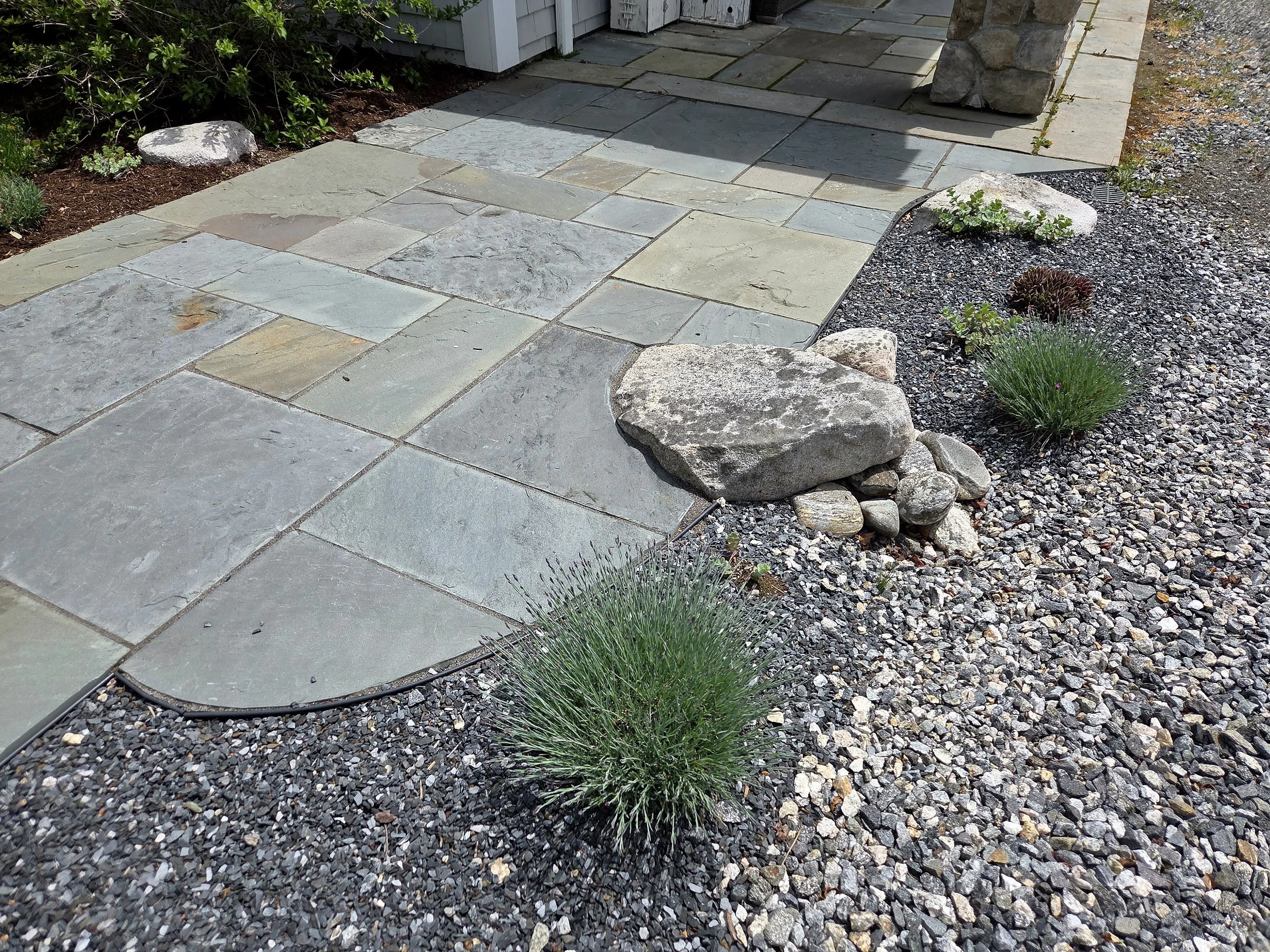
Stone that belongs. We favor dry-laid construction, the way New England's old walls were built. A well-built dry stone wall drains freely, flexes with frost and can be repaired stone by stone, so it lasts for generations. We choose stone by color and face to suit the existing landscape and architecture, so new work looks like it has always been there.
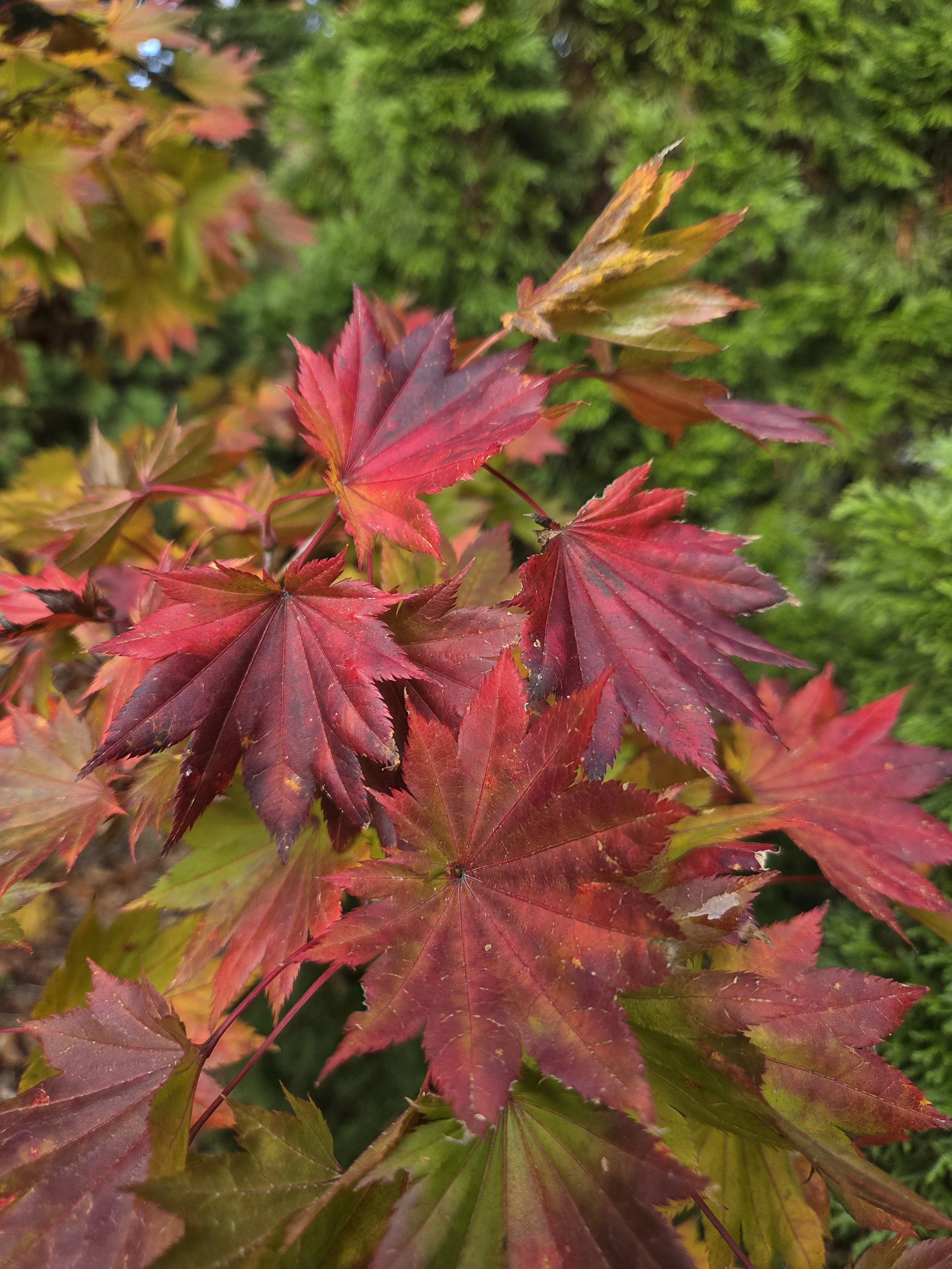
Plants as long-term partners. We design plantings for how they will look in twenty years, not just at installation. Japanese-style pruning, careful plant selection and healthy soil let a garden mature with grace instead of fighting the site.
Craft, training and collaboration. Our stonework is done by a Stone Trust trained, DSWA (UK) Level 1 certified dry stone waller, and Resonant Landscapes is a corporate member of The Stone Trust. For larger projects we work alongside a trusted network of architects, landscape architects, builders and fellow wallers. We are based in Midcoast Maine and will travel for the right project.
“No occupation is so delightful to me as the culture of the earth, & no culture comparable to that of the garden… tho’ an old man, I am but a young gardener.”
— Thomas Jefferson, letter to Charles Willson Peale, 1811